

Why Auto Coverage Gaps Are So Common
Auto insurance is legally mandated in most states, which gives many drivers a false sense of security - if coverage is required by law, it must protect them adequately. That assumption is one of the most costly misunderstandings in personal finance.
Standard policies are bundles of separate, distinct coverages. Some are required; many are optional. Insurers aren't obligated to explain every exclusion at purchase, and policy documents are rarely light reading. The result: drivers often discover what their policy doesn't cover only after a loss occurs.
This article isn't about choosing a specific insurer - that decision depends on your circumstances, state regulations, and risk tolerance. Instead, it focuses on the structural blind spots that appear across most standard policies, regardless of provider. For a broader look at what's commonly misunderstood about how auto insurance works, see Auto Insurance Myths That Cost American Drivers Money.
Assuming liability coverage protects your own vehicle after an accident you caused.
Why it happens: Liability insurance is legally required in nearly every state, so many drivers assume it covers them broadly. In reality, it only pays for injuries and property damage you cause to others.
Believing rental car costs are automatically covered while your vehicle is being repaired.
Why it happens: Many drivers conflate comprehensive or collision coverage with transportation assistance, assuming one package covers everything. Rental reimbursement is typically a separate, optional endorsement.
Skipping gap insurance on a financed or leased vehicle.
Why it happens: New vehicle buyers often don't realize how quickly a car depreciates in the first year. If a total loss occurs, standard insurance pays actual cash value - which can be thousands less than what's owed on the loan.
Expecting personal belongings stolen from your car to be covered by auto insurance.
Why it happens: Theft from a vehicle feels like a car-related loss, so drivers naturally assume their auto policy applies. Most auto policies explicitly exclude personal property inside the vehicle.
Carrying only state-minimum liability limits and assuming they're sufficient.
Why it happens: Drivers focused on lowering premiums often default to the legally required minimums without understanding how quickly medical bills and repair costs can exceed those thresholds.
Letting coverage lapse between switching insurers without verifying the new policy is active.
Why it happens: Drivers sometimes cancel an existing policy before confirming their new coverage start date, creating a brief but costly gap. Even a single day uninsured can result in denied claims or legal penalties.
Taking Stock of Your Actual Coverage
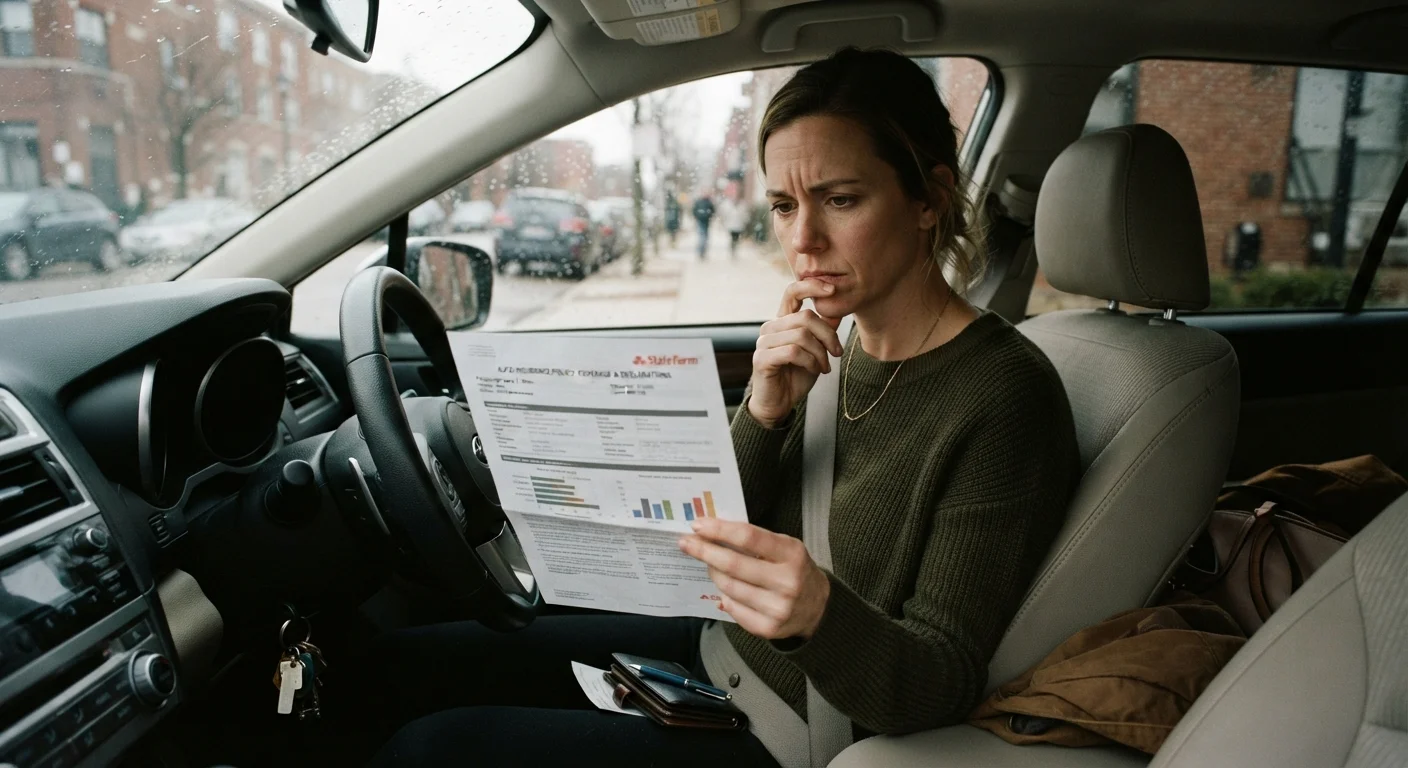
After reviewing the common mistakes above, the practical next step is a simple policy audit. Pull out your declarations page - the summary sheet that lists your coverages and limits - and compare it against the situations described here.
Policy Documents Determine Your Actual Coverage
Marketing summaries and verbal assurances from agents do not define your coverage - only the policy declaration page and full policy document do. Before assuming you're protected in a specific situation, review your actual policy language or ask your insurer for written clarification. Coverage terms, exclusions, and limits vary significantly between providers and states.
Pay particular attention to coverages that have daily or per-incident dollar limits, such as rental reimbursement caps that may not cover a full week of rentals. Also check whether your roadside assistance comes through your insurer, an auto club, or a vehicle manufacturer's program, since these overlap in confusing ways.
Drivers who own their vehicles outright have more flexibility to choose which optional coverages are worthwhile. Those with financed or leased vehicles often have fewer options - lenders typically require both comprehensive and collision coverage as a loan condition, but gap protection remains a separate decision.
If you own or are considering an older vehicle, the limitations of extended warranties are worth understanding alongside your insurance coverage, since the two are frequently confused. For broader guidance on managing your vehicle's costs and obligations, the Car Ownership hub covers maintenance, financing, and more.
This article is for general informational purposes only and does not constitute personalized insurance, legal, or financial advice. Coverage terms, exclusions, and requirements vary by insurer, policy, and state. Always read your full policy documents and consult a licensed insurance professional for guidance specific to your situation.
The content on this site is for informational purposes only and is not a substitute for professional advice. Always consult a qualified professional for guidance specific to your situation.