

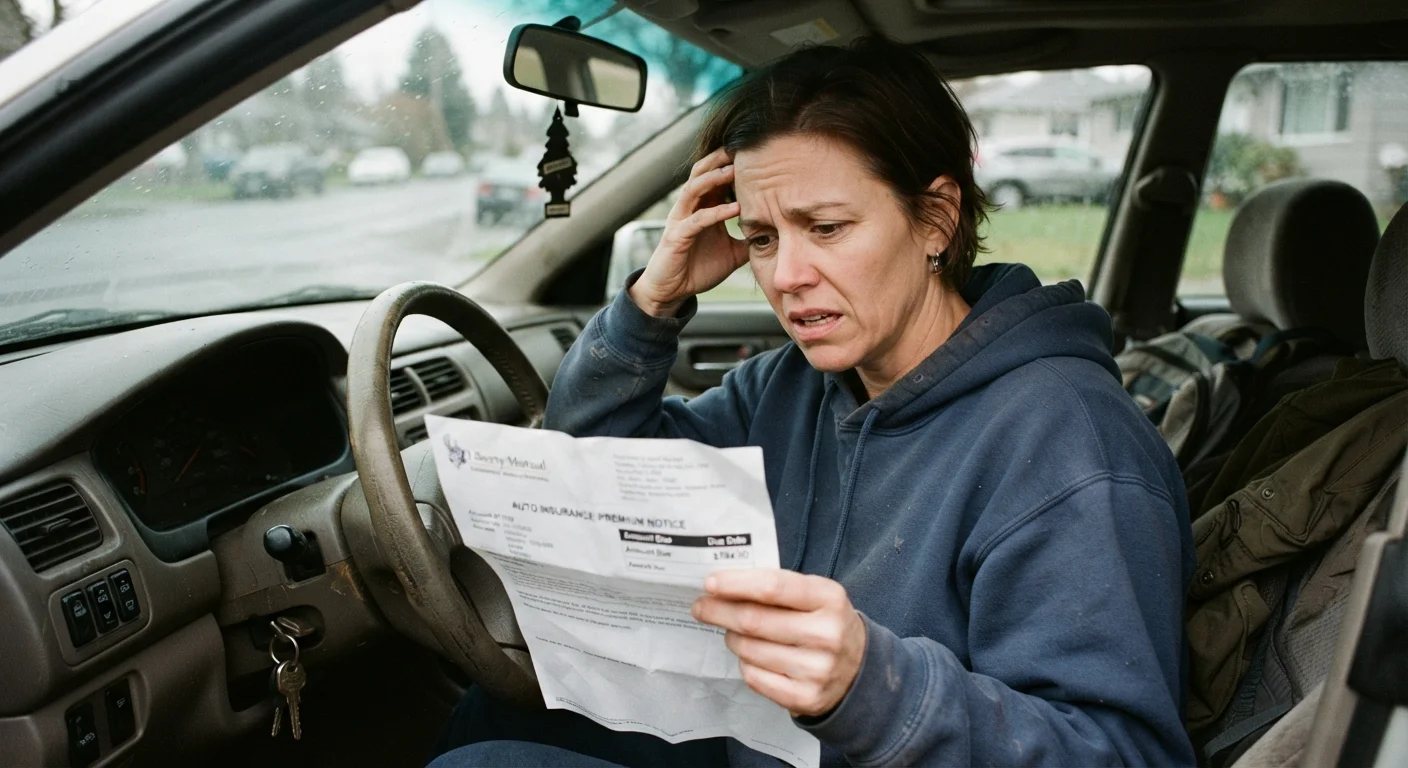
The Myth of the Clean-Record Guarantee
Many drivers assume that maintaining a clean record - no accidents, no tickets, no claims - is a firewall against rising premiums. It is not. Auto insurance pricing is a reflection of collective risk, and that risk is constantly moving. When you renew your policy, your insurer has re-evaluated dozens of variables, some of which have nothing to do with how carefully you drove last year.
Understanding this distinction is the first step toward navigating rate increases without frustration. As the factors insurers use to calculate your rate make clear, your premium is built from a layered formula - personal history is only one layer.
Rate Changes Require Regulatory Approval
In the United States, auto insurers cannot simply raise premiums at will. They must file proposed rate changes with their state's department of insurance and receive approval before applying them to policyholders. This process is designed to ensure increases are actuarially justified, though the criteria and timelines vary significantly by state.
Systemic Forces That Move Rates Industry-Wide
Some of the most significant premium drivers are entirely outside your control:
- Repair and parts inflation: When the cost of auto parts, labor, and vehicle replacements rises sharply, insurers pay more per claim. Those higher payouts are eventually passed on through premium adjustments across their entire customer base.
- Increased accident frequency in your region: If claims in your ZIP code or state have climbed - due to more distracted driving, denser traffic, or severe weather - your rate can rise even if you personally were not involved in any incident.
- Reinsurance costs: Insurers themselves purchase insurance (called reinsurance) to manage catastrophic losses. When reinsurance becomes more expensive, those costs filter down to policyholders.
- State-approved rate filings: Insurers must get state regulators to approve rate changes. When an insurer files for a broad rate increase and it is approved, all policyholders in that state may see higher premiums at renewal.
~20%
Average U.S. auto insurance rate increase in recent years
Industry analysts have noted that average auto insurance premiums rose sharply in the early-to-mid 2020s, driven largely by elevated vehicle repair costs and claims severity.
45+
U.S. states permitting credit-based insurance scoring
According to the National Conference of State Legislatures, the majority of states allow insurers to use credit-based scores as a factor in auto insurance pricing.
Personal Factors That Can Shift Quietly
Beyond macro trends, several personal variables can change between policy terms and trigger a premium adjustment:
- Credit-based insurance score: In most states, insurers use a credit-based insurance score - distinct from your standard credit score - as a rating factor. A dip in your credit profile can raise your premium even if your driving record is unchanged. The myths about auto insurance and credit scores are worth reviewing if this surprises you.
- Changes to your household: Adding a young driver, changing the primary vehicle operator listed on the policy, or moving to a new address all affect risk calculations. See how major life changes affect your auto coverage for more context.
- Lapse in coverage: Even a brief gap in continuous coverage - perhaps between policies or after a late payment - can flag you as a higher-risk customer in some insurer models.
- Vehicle age and parts availability: As vehicles age, the cost profile of repairing them shifts. Some older models actually become more expensive to repair if parts grow scarce.
Review Your Declarations Page at Every Renewal
Your declarations page - the summary page of your policy - lists every rating factor your insurer has on file for you. Reviewing it at each renewal lets you catch outdated information (old mileage estimates, a prior address, a removed vehicle) that could be inflating your premium unnecessarily. Contact your insurer promptly if anything looks inaccurate.
How to Respond When Your Rate Goes Up
Receiving a renewal notice with a higher premium is not the end of the conversation. There are practical steps worth taking:
- Request a specific explanation. Your insurer should be able to tell you which rating factors changed and by how much. Vague answers warrant follow-up.
- Audit your policy details. Confirm that the information on file - your mileage, vehicle use, listed drivers - accurately reflects your current situation. Errors can inflate premiums unnecessarily.
- Ask about available discounts. Safe-driver programs, multi-policy bundling, and low-mileage discounts may not be automatically applied. You may need to opt in.
- Understand what you are comparing before shopping around. If you seek quotes from other insurers, make sure coverage limits, deductibles, and exclusions are comparable. A lower premium for meaningfully reduced coverage is not necessarily a better deal.
For situations where a past claim is contributing to the increase, our guide on filing a claim without derailing your rate explains how claims affect premiums and for how long.
The broader mechanics of how car insurance premiums are calculated can also help you interpret what you're being charged and why.
This article is for general informational purposes only and does not constitute personalized insurance, financial, or legal advice. Coverage terms, rating factors, and regulations vary by state and insurer. Consult a licensed insurance professional and review your actual policy documents for guidance specific to your situation.
Frequently Asked Questions
Yes. Insurers adjust premiums based on factors far beyond individual claims, including regional loss trends, inflation in repair costs, and changes to your credit profile. Your personal driving record is only one input among many in the pricing formula.
There is almost always a reason, even if it is not obvious. Common causes include statewide rate filings by your insurer, rising vehicle repair costs, changes in your credit score, or shifts in local claims frequency. Reviewing your renewal documents and contacting your insurer can reveal the specific factor involved.
Absolutely. Insurers analyze claims data by ZIP code and region. If accident frequency, vehicle theft, or severe weather events increase in your area, everyone insured there can see higher rates - even drivers with clean records.
In most U.S. states, insurers are permitted to use a credit-based insurance score as a rating factor. A decline in your credit score can lead to a higher premium at renewal, even if your driving habits have not changed.
Start by asking your insurer for a specific explanation of what changed. Review your policy for coverage you may no longer need, confirm that your personal information on file is accurate, and consider asking about available discounts. Shopping the market for comparison quotes is also a reasonable step, though terms and coverage should be compared carefully.
The content on this site is for informational purposes only and is not a substitute for professional advice. Always consult a qualified professional for guidance specific to your situation.