

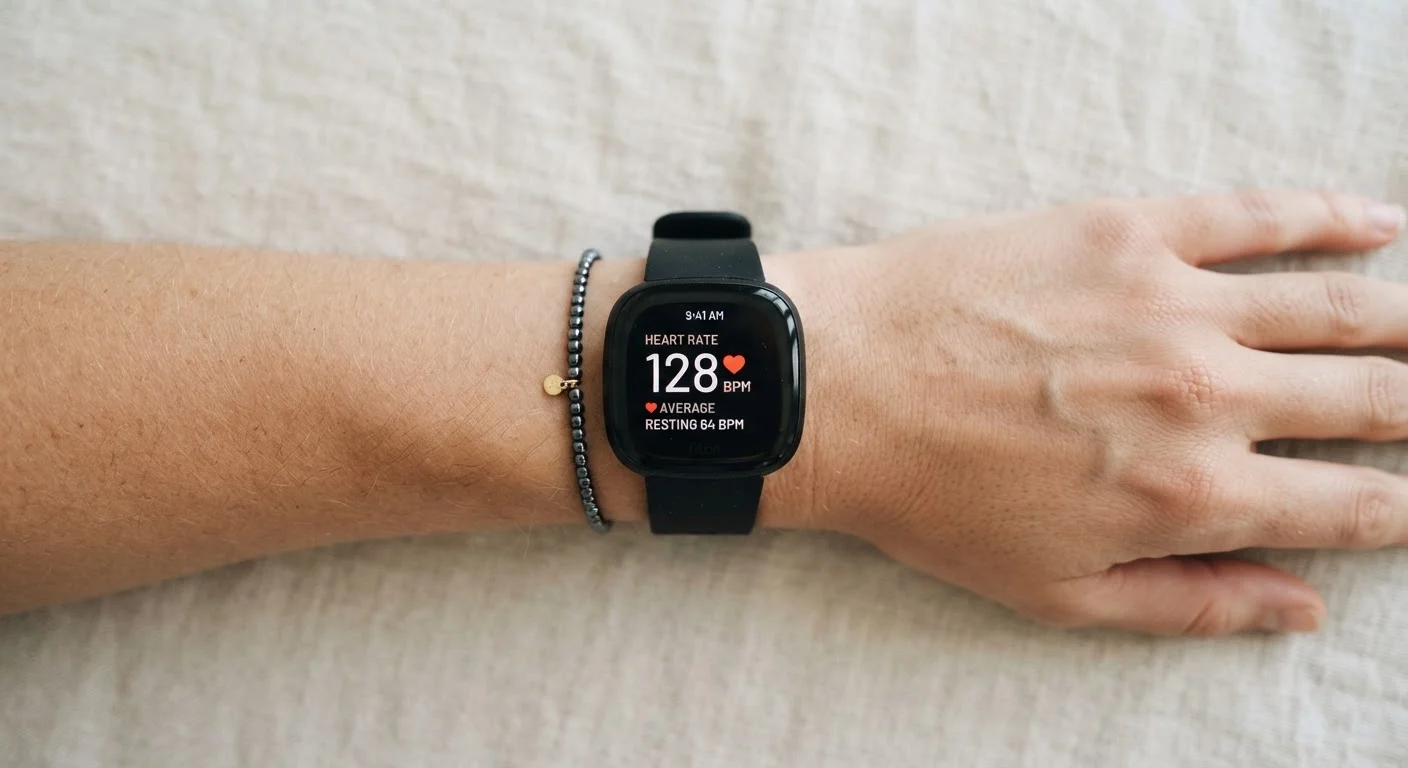
What Normal Actually Looks Like
The American Heart Association defines a normal resting heart rate for adults as between 60 and 100 beats per minute. But that wide range masks a lot of meaningful variation. Someone with a well-trained cardiovascular system might sit comfortably at 48 bpm, while another healthy adult might idle at 78 bpm. Both can be perfectly normal for their physiology.
What clinicians find more useful than any single number is your personal baseline — the RHR that is typical for you under consistent conditions. Significant deviations from that baseline, especially sustained ones, tend to be more telling than where your number lands on a population chart.
60–100 bpm
Normal adult resting heart rate range
Per the American Heart Association's general guidance for healthy adults at rest.
~40 bpm
RHR seen in elite endurance athletes
Highly trained athletes can have resting heart rates as low as 40 bpm due to exceptional cardiac efficiency.
Up to 10 bpm
Typical RHR reduction from aerobic training
Research indicates that regular aerobic exercise can lower resting heart rate by roughly 5–10 bpm over time.
What Drives Your Resting Heart Rate Up or Down
Resting heart rate is not fixed — it responds to a surprisingly broad range of factors. Understanding what moves it helps you interpret the readings on your fitness tracker with more nuance.
- Cardiovascular fitness: Regular aerobic exercise strengthens the heart muscle, allowing it to pump more blood per beat. The result is a lower resting rate over time. This is why endurance athletes often have RHRs well below 60 bpm.
- Sleep quality: Poor or insufficient sleep elevates RHR, sometimes noticeably. Sleep and physical recovery are more tightly connected than many people realize — the heart repairs and resets during deep sleep.
- Stress and anxiety: Chronic psychological stress keeps the sympathetic nervous system activated, which drives heart rate upward.
- Hydration and nutrition: Dehydration reduces blood volume, forcing the heart to beat faster to maintain circulation. Stimulants like caffeine have a similar effect.
- Illness or infection: A temporary RHR spike is often one of the earliest signs the body is fighting something — sometimes appearing before other symptoms.
- Medications: Beta-blockers lower heart rate; stimulant medications or some thyroid treatments can raise it.
Best Time to Measure Your RHR
Measure your resting heart rate immediately upon waking, before getting out of bed or checking your phone. Even sitting up can raise your heart rate by several beats. Consistency in timing and conditions is what makes tracking meaningful over weeks and months.
What a High or Low RHR May Signal
A resting heart rate that consistently sits above 80 to 90 bpm — even within the clinical 'normal' range — has been associated in research with higher cardiovascular risk, including heart disease and stroke. A large study published in Heart journal found that higher RHR was independently associated with increased all-cause mortality, even after adjusting for other risk factors. This does not mean a number in the high-normal range is a diagnosis — but it is a data point worth discussing with a doctor, especially alongside other risk factors like blood pressure or cholesterol.
On the other end, a very low RHR in a non-athlete — particularly when accompanied by lightheadedness, fatigue, or fainting spells — may point to bradycardia, a condition where the heart beats too slowly to adequately supply the body. This warrants medical evaluation.
If you notice your RHR is trending upward over days or weeks without an obvious explanation, consider what else is changing — stress load, sleep, illness, or a new medication. If you're unsure, signs your exercise routine needs adjusting can sometimes overlap with cardiovascular signals worth reviewing.
“The resting heart rate is one of the most accessible windows we have into cardiovascular function. It's not the whole story, but it's a meaningful page.”
— Dr. James Levine, Physician and researcher in metabolic health and human physiology
How to Track It Meaningfully
A single measurement tells you relatively little. The value of monitoring resting heart rate comes from tracking patterns over time. Wearable devices make this easy, but their accuracy varies — they tend to be better for identifying trends than for precise single readings.
For the most reliable manual measurement, check your pulse first thing in the morning before sitting up, ideally after at least seven hours of sleep. Count beats for a full 60 seconds. Do this several days in a row to establish your personal baseline.
Regular aerobic exercise remains the most effective lifestyle strategy for improving RHR over time — not by obsessing over the number, but by building genuine cardiovascular fitness. Exercise myths that mislead people often distract from this fundamental truth: consistent, moderate activity does more for heart health than intense, sporadic effort.
If you use a fitness tracker, treat its RHR trend graph as a health diary rather than a diagnostic tool. Bring notable patterns — not just numbers — to your healthcare provider for meaningful context.
This article is for general informational and educational purposes only and is not a substitute for professional medical advice, diagnosis, or treatment. Always consult a qualified healthcare provider with any questions about your health or heart rate.
Frequently Asked Questions
For most adults, a resting heart rate between 60 and 100 beats per minute is considered normal. Many physically active individuals naturally fall below 60 bpm, which is generally healthy. What matters most is your personal baseline and any significant changes from it.
Research suggests that a consistently elevated resting heart rate — particularly above 80 to 90 bpm — is associated with increased cardiovascular risk, even within the 'normal' range. However, RHR is one data point among many; a healthcare provider considers the full picture when assessing heart health.
The most accurate measurement comes before you get out of bed in the morning, after a full night's sleep. Count your pulse at your wrist or neck for 60 seconds, or use 30 seconds and multiply by two. Wearable devices can track trends automatically, though manual measurement is often more precise for a single reading.
Psychological stress activates the sympathetic nervous system, releasing hormones like adrenaline that signal the heart to beat faster. This is a normal, protective response. Chronic stress, however, can keep your RHR elevated over time, which may have longer-term effects on cardiovascular health.
In well-trained athletes, a resting heart rate below 60 bpm — sometimes as low as 40 bpm — is normal and healthy. However, in people who are not highly active, a very low RHR accompanied by dizziness, fatigue, or fainting could indicate a condition called bradycardia and should be evaluated by a doctor.
Yes. Regular aerobic exercise is the most well-established way to reduce resting heart rate over time, as it strengthens the heart muscle. Improving sleep quality, managing stress, reducing caffeine intake, and staying hydrated can also contribute to a lower, steadier RHR.
The content on this site is for informational purposes only and is not a substitute for professional advice. Always consult a qualified professional for guidance specific to your situation.