

Two Models, One Core Idea
Traditional auto insurance pricing draws heavily on factors like your age, ZIP code, credit history, and driving record - none of which capture what you actually do behind the wheel on any given day. Usage-based insurance changes that equation by incorporating real-world data about your individual driving. For a broader look at how conventional pricing works, see how insurers calculate your auto rate.
UBI programs broadly split into two models:
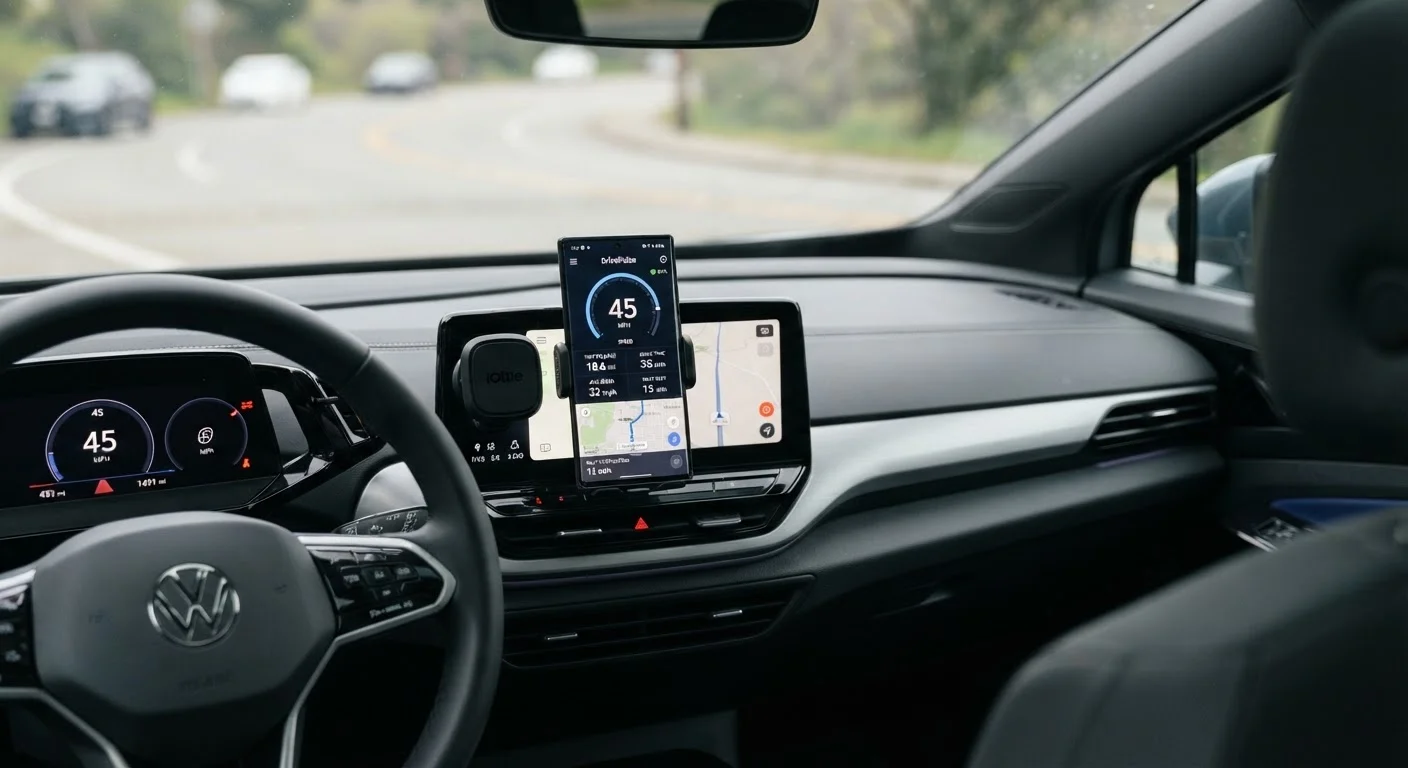
- Telematics-based programs monitor driving behavior - think braking intensity, acceleration, cornering, speed, and the time of day you drive. A smartphone app or a small device that plugs into your vehicle's OBD-II port (the diagnostics port usually found under the dashboard) transmits this data to your insurer, which uses it to generate a driving score that influences your premium.
- Pay-per-mile policies focus on distance rather than behavior. You pay a fixed base rate each month plus a small per-mile charge for every mile you drive. A device or app logs your mileage, and your bill reflects actual usage.
Some programs blend both elements, charging per mile while also factoring in safety behavior, but the core distinction - behavior versus distance - is worth keeping in mind as you evaluate options.
~15%
Typical telematics discount range at enrollment
Many insurers offer an initial participation discount simply for enrolling in a telematics program, separate from any behavior-based adjustment at renewal - though specific amounts vary by insurer and state.
~40%
U.S. drivers who are low-mileage candidates
Industry estimates suggest a substantial portion of American drivers travel significantly below the national average of roughly 14,000-15,000 miles per year, representing a large pool of potential UBI candidates.
How Telematics Programs Work in Practice
When you enroll in a telematics program, the insurer typically starts a monitoring period - often 90 days - during which your driving generates a score. Metrics commonly tracked include:
- Hard braking: Sudden, sharp stops that suggest tailgating or distraction
- Rapid acceleration: Aggressive starts from a stop
- Speeding: Traveling significantly above posted limits
- Nighttime driving: Trips between midnight and 4 a.m., which insurers associate with higher risk
- Phone handling: Some apps detect phone interaction while the vehicle is moving
At the end of the monitoring period - or at renewal - your score influences your rate. Programs differ on whether a poor score can raise your premium above the standard rate or only affect the size of any discount. Reading the specific program terms matters here.
Practice Before the Monitoring Period Begins
If your insurer offers a telematics program, some allow you to use the app in a practice or preview mode before the formal scoring period starts. Using this window to identify any habits - like hard braking on a particular route - can help you enter the scored period more intentionally. Check whether your insurer's program offers this option.
It's also worth noting that telematics data is collected continuously, meaning your insurer builds a detailed picture of your driving patterns over time - not just during an initial trial window.
Pay-Per-Mile: A Closer Look at Mileage-Based Pricing
Pay-per-mile insurance uses a straightforward formula: a monthly base rate (which covers the insurer's fixed costs and your vehicle's baseline risk profile) plus a per-mile charge, typically measured in cents per mile. If you drive 300 miles in a given month and your per-mile rate is 6 cents, the mileage portion of your bill would be $18, added to your base rate.
This model is particularly relevant for drivers who have experienced a shift in their daily routine - a job change that eliminates a commute, retirement, or relocation closer to work. Life changes like these often warrant a policy review, and switching to a mileage-based model may reflect your new reality more accurately than a traditional annual premium.
High-mileage drivers - those covering 15,000 miles or more annually - may find that the per-mile charges accumulate quickly, making a conventional policy more economical. There is typically no change to the coverage types available; you still choose among the standard options explained in our guide to auto insurance coverage types.
Privacy, Data, and What to Consider Before Enrolling
Both UBI models involve a meaningful trade-off: potential premium savings in exchange for ongoing data sharing. Before enrolling, consider what data your insurer collects, how long it retains the data, whether it is shared with third parties, and under what circumstances it could be used in a claim dispute.
Data Practices Vary Significantly by Insurer
There is no universal standard for how telematics data is stored, shared, or used beyond premium calculation. Some insurers explicitly state they will not use telematics data in claim investigations; others reserve that right. State regulations also influence what insurers can and cannot do with the data they collect. Reviewing the program's privacy policy - not just the discount summary - is important before you enroll.
UBI programs are entirely voluntary. If privacy is a concern, you can maintain standard coverage without participating. If you do enroll, review the program agreement carefully - not just the marketing summary.
For drivers who want to understand how UBI-related information fits into the broader picture of how premiums are set, our article on how car insurance premiums are calculated provides useful context. And if you want to brush up on terms like deductible, premium, or underinsured motorist coverage as you evaluate policies, the auto insurance terms reference guide is a practical starting point.
This article provides general information about auto insurance products and pricing models. It is not personalized insurance or financial advice. Coverage availability, terms, discounts, and data practices vary by insurer and state. Consult a licensed insurance professional and read actual policy documents before making coverage decisions.
Frequently Asked Questions
In many telematics programs, poor driving scores can result in higher rates at renewal. Not all programs guarantee savings - some simply offer the potential for a discount if your behavior meets the insurer's benchmarks. Always review program terms before enrolling.
Most programs track metrics such as speed, hard braking, rapid acceleration, cornering, time of day, and trip distance. Some use a smartphone app's GPS, while others use a plug-in OBD-II device. The specific data points vary by insurer and program.
No. Pay-per-mile policies charge based primarily on distance traveled, not driving behavior. Telematics programs assess how you drive, not just how far. Some policies combine both elements, but they are distinct pricing models.
Drivers who travel significantly fewer miles than average - such as remote workers, retirees, or those with short commutes - typically see the greatest potential savings. High-mileage drivers may find traditional pricing more cost-effective.
No. Enrollment in a UBI program changes how your premium is calculated, not the coverage types available to you. You still select liability, collision, comprehensive, and other coverage options as you normally would.
Most insurers allow you to opt out, though you may lose any discount earned during participation. In some programs, opting out mid-term could return you to standard pricing. Check the specific terms of your insurer's program before enrolling.
The content on this site is for informational purposes only and is not a substitute for professional advice. Always consult a qualified professional for guidance specific to your situation.