

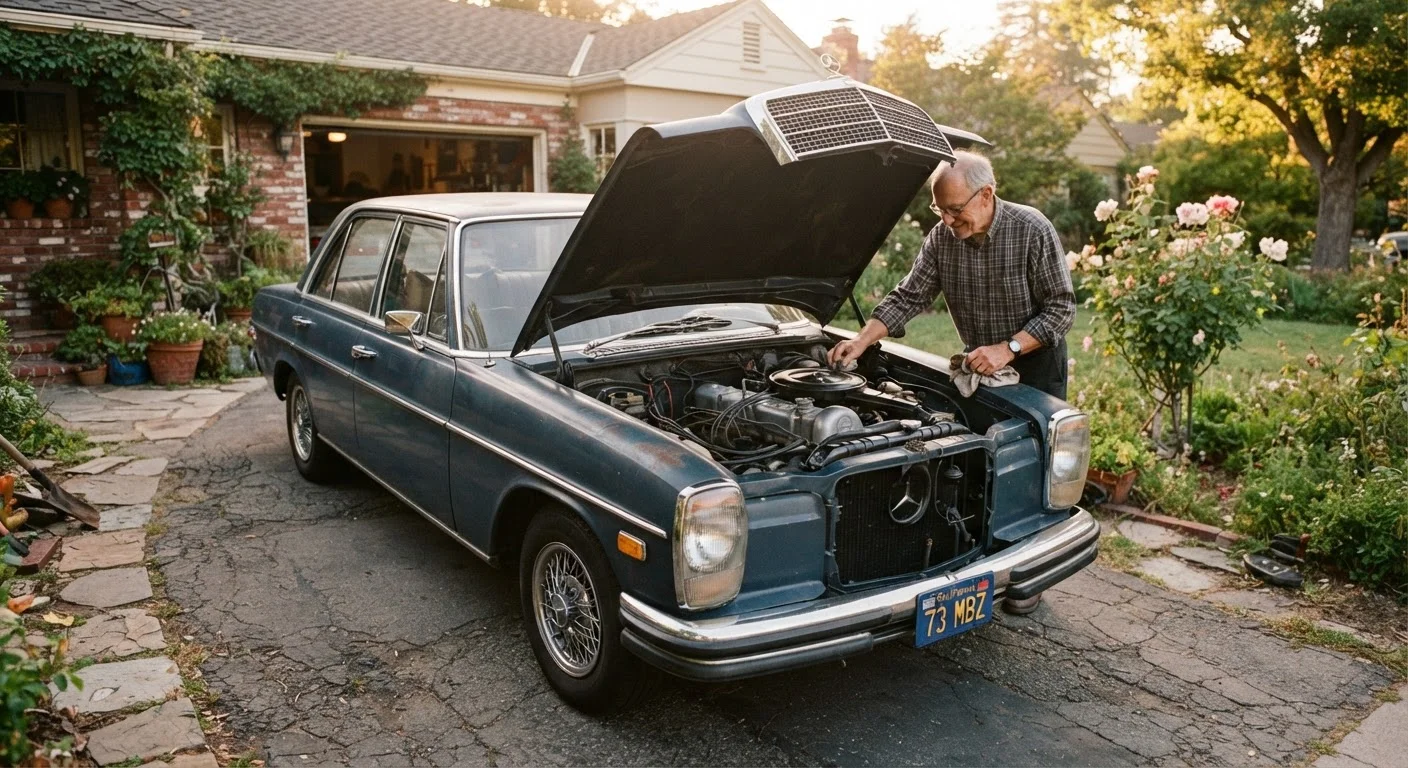
Why High-Mileage Vehicles Demand a Different Approach
Reaching 100,000 miles is a milestone - but it's also a turning point in how you should think about vehicle care. At this stage, rubber components have experienced years of heat cycling, seals have begun to harden, and systems that once had generous tolerances are now operating with less margin for error.
That doesn't mean a high-mileage car is destined for decline. Many vehicles run reliably well past 200,000 miles when maintained with intention. The difference is that maintenance at this stage needs to be proactive rather than reactive. Waiting for something to break is far more expensive - and sometimes more dangerous - than addressing wear before it becomes failure.
For a broader look at responsible ownership from the start, see everything that goes into owning a car responsibly. And if you've already developed habits worth reconsidering, overlooked ownership habits that shorten a car's lifespan covers the common missteps worth avoiding.
General Information, Not Mechanical Advice
This article provides general educational guidance for high-mileage vehicle ownership. For diagnosis, repair, or any task involving safety systems, always consult a qualified, licensed mechanic. Repair needs vary significantly by make, model, and individual vehicle condition.
Core Maintenance Practices for Aging Vehicles
The following practices are grounded in well-established automotive maintenance principles. They're especially relevant once a vehicle crosses the 100,000-mile mark, when proactive care pays the greatest dividends.
Switch to a high-mileage engine oil formulation and follow shortened oil change intervals.
Older engines with worn seals and gaskets benefit from high-mileage oil blends, which typically contain seal conditioners and antioxidants. Shorter intervals - often every 5,000 miles rather than 7,500 - reduce sludge buildup that accelerates wear in aging engines.
Inspect and replace coolant, transmission fluid, and brake fluid on schedule rather than waiting for symptoms.
Degraded fluids lose their protective properties and can accelerate corrosion inside cooling systems, transmissions, and brake lines. High-mileage vehicles are more vulnerable because these systems have already experienced years of thermal cycling.
Proactively replace timing belts and serpentine belts at or before their service intervals.
Rubber belts degrade with age and heat cycles, and a snapped timing belt on an interference engine can cause catastrophic internal damage costing thousands of dollars. Replacing on schedule is nearly always far less expensive than the alternative.
Monitor and maintain tire pressure, alignment, and rotation to protect suspension and steering components.
Worn suspension parts in a high-mileage vehicle are more susceptible to accelerated damage from misaligned or under-inflated tires. Proper tire care reduces stress on ball joints, tie rods, and wheel bearings that are already past their prime.
Address minor warning lights and unusual sounds promptly rather than delaying diagnosis.
High-mileage vehicles have less tolerance for deferred repairs. A small issue - such as a misfiring cylinder or a whining power steering pump - can cascade into larger failures if ignored. Early intervention is almost always more cost-effective.
Keep a detailed service log and review it before scheduling maintenance.
Documentation helps identify which services are overdue, prevents redundant work, and gives mechanics critical context. It also supports resale value and helps you spot emerging patterns - like a recurring coolant loss - that warrant deeper investigation.
It's also worth preparing for the harder question. If a major repair arises, when a repair bill exceeds the car's value offers a practical framework for making that call clearly and confidently.
Seasonal and Year-Round Vigilance
High-mileage vehicles are more sensitive to seasonal extremes than newer ones. Cold weather thickens aging fluids and strains weakened batteries; summer heat accelerates coolant system stress and tire pressure fluctuations. Building seasonal checks into your routine is one of the highest-value habits you can develop.
“The cars that last the longest are rarely the most expensive - they're the ones whose owners treated maintenance as an ongoing responsibility, not an occasional reaction to something going wrong.”
— ASE (Automotive Service Excellence) Consumer Education Resources, National automotive technician certification and consumer guidance organization
For a structured seasonal approach, seasonal car maintenance checklists can help you stay ahead of weather-related wear before it becomes a costly repair.
Start with these actions you can take right now:
This article is for general informational purposes only and does not constitute mechanical or professional repair advice. Always consult a qualified, licensed mechanic for diagnosis and service decisions specific to your vehicle.
The content on this site is for informational purposes only and is not a substitute for professional advice. Always consult a qualified professional for guidance specific to your situation.