

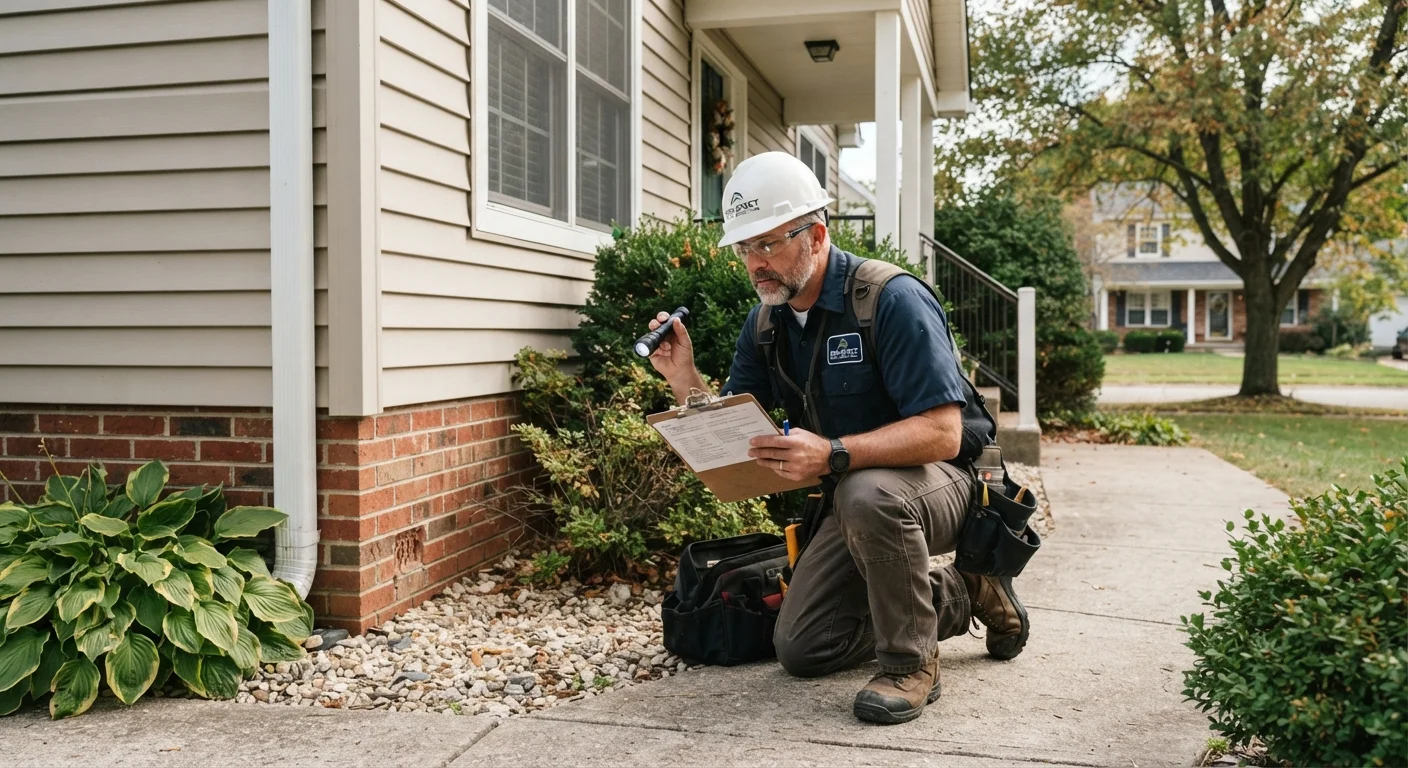
What a Standard Inspection Actually Covers
A licensed home inspector evaluates the major systems and structural components that are visible and safely accessible on the day of the visit. In practice, that means a trained professional walking through the property with specific checklists in mind.
Core areas covered in a standard inspection typically include:
- Roof: Condition of shingles, flashing, gutters, and visible decking — usually from the roofline or, where safe, from on top.
- Exterior: Siding, trim, grading around the foundation, driveways, and visible drainage patterns.
- Foundation and structure: Accessible portions of the foundation, basement walls, visible framing in crawl spaces or unfinished areas.
- Electrical: The main panel, visible wiring, outlets (tested with a device), and smoke and carbon monoxide detector presence.
- Plumbing: Visible pipes, water heater, fixtures, toilets, and drainage function.
- HVAC: Heating and cooling equipment, visible ductwork, filters, and basic operational testing.
- Interior: Walls, ceilings, floors, windows, doors, and stairs — for visible damage, moisture staining, or functional issues.
- Attic and insulation: Ventilation, insulation levels, and any visible moisture or pest evidence.
Keeping up with findings across these systems year-round is easier with a structured routine — see our seasonal home maintenance checklist for a practical guide organized by time of year.
Attend the Inspection in Person
Whenever possible, walk through the property alongside the inspector rather than simply reviewing the report afterward. Inspectors can point out nuances — a slow drain, a stiff door indicating settling — that read differently when you see them firsthand. This is also your chance to ask questions about maintenance and urgency before negotiations begin.
What Falls Outside the Inspector's Scope
Understanding the limits of a standard inspection is just as important as knowing what it covers. Inspectors work from a defined set of standards — they are not required to test for every possible hazard or open up finished surfaces.
Common exclusions include:
- Behind walls and under slabs: Inspectors cannot see plumbing or wiring concealed inside finished walls or under concrete floors.
- Mold and air quality: Unless mold is visibly present and accessible, testing requires a separate environmental assessment.
- Radon: This odorless, naturally occurring gas requires dedicated test kits or professional monitoring — not part of a standard inspection in most states.
- Sewer lines: The inspector may run water and check for drainage issues, but a sewer scope (a camera threaded into the line) is a separate service that can reveal root intrusion, cracks, or blockages.
- Asbestos and lead paint: Common in homes built before the late 1970s, these materials require laboratory testing and certified abatement professionals.
- Pest and termite damage: Wood-destroying organisms typically require a separate inspection from a licensed pest control professional.
- Pools, septic systems, and private wells: Each is a specialty area requiring its own qualified evaluator.
Inspector Standards Vary by State
Licensing requirements for home inspectors differ significantly across U.S. states — some require rigorous testing and ongoing education, while others have minimal standards. When hiring an inspector, look for membership in a nationally recognized professional association such as ASHI or InterNACHI, which hold members to published standards of practice. Always ask about their experience with homes of similar age and construction type.
This gap between what's inspected and what's actually present in a home is why renovation budgets can run over — our article on hidden renovation costs walks through what experienced homeowners plan for from the start.
How to Fill the Gaps Before You Buy or Renovate
A standard inspection is the right starting point — but it rarely tells the whole story, especially in older homes or properties that have had significant updates. Knowing how to supplement it puts you in a much stronger position.
Order targeted add-on inspections
Based on the home's age, location, and visible conditions, ask your inspector which specialists they recommend. A sewer scope typically costs a modest flat fee and can save thousands. Radon tests are inexpensive and widely available. If the home was built before 1978, an asbestos or lead assessment is worth considering before any demo work begins.
Read the report carefully — all of it
Inspection reports distinguish between safety hazards, major defects, and maintenance items. Many buyers focus only on the most alarming findings. Maintenance items flagged in a report often signal deferred upkeep that quietly adds up over time.
Follow up with annual self-audits
Even after closing, staying proactive matters. Our annual home audit checklist walks through every room and system so you can catch emerging issues before they escalate.
~86%
Homes with at least one defect found
According to the American Society of Home Inspectors, the vast majority of inspected homes have at least one issue noted in the report, reinforcing that no property is perfect.
$300–$500
Typical cost of a standard inspection
The American Society of Home Inspectors reports this as a common price range for a standard single-family home inspection, though costs vary by region and home size.
1 in 15
U.S. homes with elevated radon levels
The U.S. Environmental Protection Agency estimates about 1 in 15 American homes has radon levels at or above the agency's action level — a risk not detected in a standard inspection.
This article is for general informational purposes only and is not a substitute for advice from a licensed home inspector, contractor, or other qualified professional. Always verify local requirements for permits, inspections, and licensed trades before beginning any home project.
Frequently Asked Questions
Most inspections take two to four hours, depending on the size and age of the home. Larger or older homes with more complex systems generally take longer. Being present during the inspection lets you ask questions and understand findings in real time.
Not usually. Pools, septic systems, and private wells are typically outside the scope of a standard inspection. Each requires a specialist — a pool inspector, a licensed septic evaluator, or a well-water tester — and may involve additional fees.
Yes. An inspection report informs negotiation but does not legally obligate a seller to make repairs. Buyers can request repairs, ask for a price reduction, or choose to walk away depending on contract terms. Consult a real estate attorney for guidance specific to your situation.
No. An appraisal estimates the market value of a property for a lender; an inspection evaluates physical condition for the buyer. They serve different purposes, are conducted by different licensed professionals, and happen independently of each other.
Absolutely. A periodic inspection helps owners catch deterioration before it becomes expensive damage. Many professionals recommend a full inspection every three to five years, or before undertaking major renovations.
No. An inspection identifies visible defects at the time of the visit. Hidden problems, issues that develop later, or items outside the inspector's scope may not appear in the report. Think of it as a snapshot, not a guarantee.
The content on this site is for informational purposes only and is not a substitute for professional advice. Always consult a qualified professional for guidance specific to your situation.