

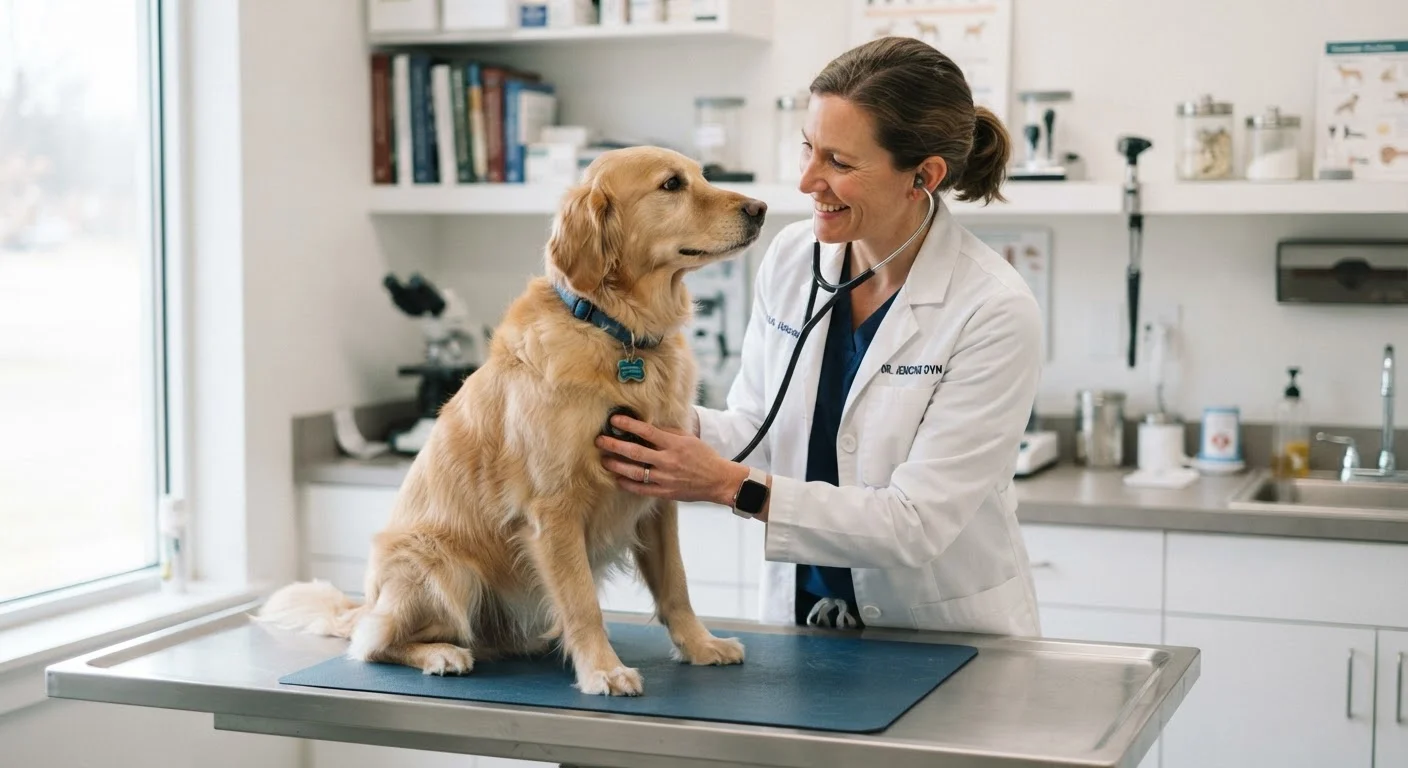
More Than Just Shots: What the Exam Actually Covers
Many pet owners think of annual vet visits primarily as vaccine appointments. In reality, vaccinations — when needed — are just one small part of a much broader assessment. The centerpiece of any wellness visit is the physical examination, a systematic review of your pet's entire body that gives the veterinarian a detailed snapshot of their current health.
A typical head-to-tail exam includes:
- Eyes and ears: Checked for infection, inflammation, discharge, or early signs of conditions like glaucoma or ear mites.
- Mouth and teeth: Dental disease affects the majority of adult pets and can impact organ health if left untreated. Vets assess tartar buildup, gum condition, and tooth integrity.
- Heart and lungs: A stethoscope check can detect murmurs, irregular rhythms, or abnormal breath sounds that aren't outwardly visible.
- Abdomen: Palpation of the belly helps identify organ enlargement, masses, or pain responses.
- Skin and coat: Conditions like allergies, parasites, or hormonal imbalances often show up in skin and fur quality first.
- Joints and mobility: Particularly important in older or larger pets, where early arthritis is common.
- Lymph nodes: Swollen nodes can signal infection or, in some cases, immune system conditions.
Weight and body condition are also carefully evaluated. Weight is one of the most informative health indicators a vet can assess — gradual changes in either direction often signal underlying issues worth investigating.
~70%
Adult pets with signs of dental disease by age three
According to the American Veterinary Medical Association, dental disease is one of the most prevalent — and most preventable — conditions identified during routine exams.
2x/year
Recommended exam frequency for senior pets
Most veterinary guidelines suggest biannual wellness visits for pets seven years and older to account for accelerated age-related health changes.
60%+
U.S. pets estimated to be overweight or obese
Pet obesity surveys conducted by veterinary organizations consistently show weight as among the most common findings and modifiable risk factors at annual checkups.
Why Early Detection Is the Real Value
The most important function of annual exams isn't catching obvious illness — it's identifying gradual changes that owners often don't notice at home. Pets are instinctively good at masking discomfort, which means a condition can progress quietly for months before symptoms become apparent.
By establishing a consistent baseline through annual visits, vets can compare current findings against prior records. A kidney value that's crept upward over two years, a heart murmur that's increased in grade, or modest weight loss across three appointments — none of these might trigger alarm on their own, but tracked over time they become meaningful clinical signals.
This is especially true as pets age. Health needs shift significantly after age seven in most dogs and cats, and annual exams often transition to biannual visits to keep pace with faster-changing physiology.
Keep a Simple Health Log Between Visits
You don't need anything elaborate — even brief notes in a phone app work well. Track your pet's appetite, energy level, bathroom habits, and any physical changes you notice. Bringing this to annual exams gives your vet a richer picture than memory alone can provide, and helps surface subtle patterns that matter clinically.
Vets may also recommend diagnostic tests during wellness visits — including bloodwork, urinalysis, or heartworm testing — based on your pet's age, lifestyle, and risk factors. These aren't upsells; they're extensions of the physical exam that capture information the hands-on assessment can't.
How to Make the Most of Your Appointment
Pet owners who come to annual exams prepared get more out of them. Before the appointment, take a few minutes to note any changes you've observed — shifts in appetite, energy, drinking habits, litter box or bathroom behavior, or anything about grooming and coat quality. These observations often provide the most clinically useful context a vet receives.
Don't hesitate to ask questions during the exam. Topics worth discussing include parasite prevention protocols, dental care options, weight management, and whether any breed-specific screening is appropriate. If your dog's coat or ear health has been a concern, a conversation about consistent grooming practices can help connect home care with clinical findings.
If your pet hasn't been spayed or neutered, or you have questions about those procedures, the annual visit is an appropriate time to discuss them. Many owners have misconceptions about the differences, and understanding the distinction between spaying and neutering helps frame an informed conversation with your vet.
This article is for general informational purposes only and does not constitute veterinary or medical advice. Always consult a licensed veterinarian for guidance specific to your pet's health needs.
Frequently Asked Questions
Vets perform a full physical assessment covering eyes, ears, teeth, skin, coat, lymph nodes, heart, lungs, abdomen, joints, and weight. They also review vaccination history, parasite prevention, and any behavioral changes you've noticed. Bloodwork or urinalysis may be recommended depending on your pet's age and history.
Most wellness appointments run 30 to 45 minutes. If additional diagnostics like blood panels or X-rays are needed, the visit may take longer. Arriving a few minutes early with your pet's records helps the appointment run smoothly.
Yes. Many conditions — including dental disease, organ dysfunction, and early-stage arthritis — develop gradually and show no obvious symptoms until they're advanced. Annual exams allow vets to identify these changes early, when treatment is typically more effective.
Most veterinarians recommend transitioning to biannual exams around age seven for dogs and cats, though this varies by species and breed. Larger dog breeds tend to age faster and may benefit from earlier increases in exam frequency.
Bring any prior medical records if you're visiting a new clinic, a list of current medications or supplements, a fresh stool sample if requested, and notes on any behavioral or physical changes you've observed at home.
The content on this site is for informational purposes only and is not a substitute for professional advice. Always consult a qualified professional for guidance specific to your situation.