

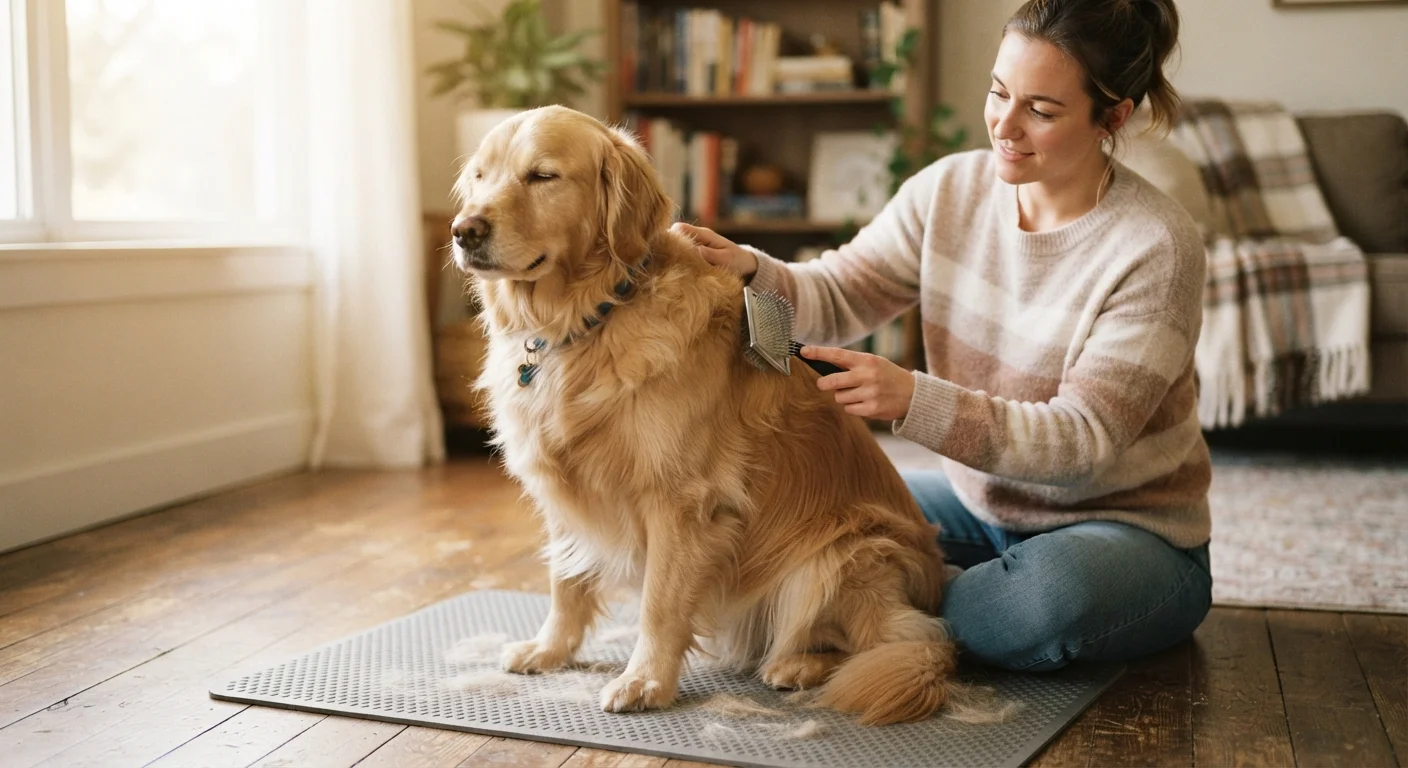
Why Grooming Is a Health Practice, Not Just Aesthetics
Most owners think of grooming as keeping a dog looking tidy. Veterinarians see it differently: a routine grooming session is a systematic health check that reveals problems early. Matted fur can conceal skin infections or parasites. Overgrown nails alter posture and stress joints. Waxy ear buildup creates a breeding ground for yeast. These aren't cosmetic concerns — they're clinical ones.
Building a home grooming routine means you're not just maintaining your dog's coat. You're creating regular, structured contact that allows you to notice changes — a new lump, a developing hot spot, unusual sensitivity in a limb. That consistency is genuinely valuable, and it complements — rather than replaces — professional veterinary exams. For a sense of what vets look for during formal checkups, see our guide to annual vet visits.
Core Practices for an Effective Home Grooming Routine
The following practices form the foundation of a vet-aligned at-home grooming program. Adjust frequency based on your dog's coat type, activity level, and individual health needs.
Brush according to your dog's coat type, not a one-size schedule
Short-coated breeds may only need weekly brushing, while double-coated or long-haired breeds often require daily attention during shedding seasons. Using the wrong schedule either leaves mats unaddressed or unnecessarily irritates healthy skin. Matching brush type to coat — slicker brushes for longer fur, rubber curry combs for smooth coats — makes each session more effective.
Check and clean ears on a routine schedule
Ears accumulate wax, debris, and moisture — especially in floppy-eared breeds like Cocker Spaniels and Basset Hounds. Unchecked buildup creates conditions favorable to bacterial and yeast infections. Routine inspection also catches early signs of ear mites or foreign bodies before they cause significant discomfort.
Trim nails before they touch the ground when the dog stands
Nails that click on hard floors are already too long. Overgrown nails force the paw into an unnatural position, creating discomfort and over time affecting gait and joint alignment. Regular trimming every three to four weeks prevents the quick from extending further into the nail, making future trims easier.
Incorporate a skin and coat inspection into every grooming session
Running your hands through your dog's coat with intention — rather than just brushing — lets you feel for lumps, bumps, or areas of tenderness that visual inspection alone would miss. Catching a tick embedded at the skin line or a developing hot spot early is meaningfully better than discovering it at a vet visit weeks later.
Bathe only as often as coat and lifestyle warrant
Over-bathing strips the coat's natural oils, leading to dry, flaky skin. Most dogs need bathing every four to six weeks, though dogs who swim frequently or roll in things may need more frequent washing. Always use a shampoo formulated for dogs — human products have a different pH and can disrupt the skin barrier.
Making Grooming a Positive Experience
A dog who tolerates — or even enjoys — grooming makes the process safer and more effective for everyone involved. The key is gradual exposure combined with consistent positive reinforcement. Start with short sessions of just one or two minutes, rewarding calm behavior with treats and calm praise. Increase duration slowly as your dog builds tolerance.
Start Grooming Desensitization Early
Puppies introduced to grooming tools, sounds, and handling before 16 weeks of age adapt far more readily than adult dogs encountering these experiences for the first time. Even brief daily sessions — touching ears, handling paws, running a brush along the back — build acceptance that lasts a lifetime. For adult dogs, the same gradual approach works; it simply takes more patience and consistency.
Understanding your dog's stress signals helps you stop before anxiety escalates. Lip licking, yawning, whale eye (showing whites of the eyes), and a tucked tail are all signs of discomfort. Recognizing these cues early prevents sessions from becoming aversive experiences. Our field guide to dog body language covers these signals in practical detail.
Grooming also supports the human-animal bond. Dogs handled gently and regularly from puppyhood tend to be more cooperative during veterinary exams — an often overlooked benefit of consistent home care.
When to Call a Professional Groomer or Veterinarian
Home grooming has real limits. Severely matted coats should be handled by a professional groomer rather than cut at home, where scissors can accidentally injure skin hidden beneath the tangle. Dogs with a history of bite behavior during grooming may need a groomer experienced with anxious animals, or a veterinary consultation to rule out pain as a trigger.
Professional Grooming and Vet Care Work Together
Home grooming is not a replacement for professional grooming or veterinary care — it's a complement to both. Professional groomers have training and equipment to handle tasks that are genuinely difficult to do safely at home, such as breed-specific haircuts and full dematting. Veterinarians remain the appropriate resource for any skin condition, ear infection, or grooming-related injury. Think of home grooming as maintenance between professional appointments, not a substitute for them.
Nail trimming is one task where many owners understandably feel uncertain. If you accidentally cut the quick (the blood vessel inside the nail), apply gentle pressure with a clean cloth and styptic powder if available — but persistent bleeding warrants a vet call. If the idea of trimming nails feels overwhelming, a professional groomer or your vet's technician team can do this affordably and quickly.
Skin issues discovered during grooming — redness, scaling, hair loss in patches, or unusual odors — should be evaluated by a veterinarian rather than treated with over-the-counter products. Dental hygiene is another area with nuance; visit our article on pet dental health myths to understand what actually works and what doesn't.
This article provides general information for educational purposes and is not a substitute for professional veterinary advice. Always consult a licensed veterinarian about your individual dog's health and grooming needs.
The content on this site is for informational purposes only and is not a substitute for professional advice. Always consult a qualified professional for guidance specific to your situation.