

Start here
Why Your Scalp Deserves Skin-Level Attention
Build understanding
Sebum, pH, and the Balance Your Scalp Craves
Identify concerns
Common Scalp Conditions and What They Signal
Take action
Daily Habits That Support a Healthy Scalp
Know your limits
When to See a Dermatologist
Why Your Scalp Deserves Skin-Level Attention
Most people spend far more time thinking about their hair strands than the skin those strands actually grow from. But the scalp is living tissue — follicle-dense, sebaceous-gland-rich skin that directly governs how your hair grows, sheds, and looks. Neglecting it is a bit like trying to grow a garden in soil you never tend.
Each strand of hair emerges from a follicle embedded in the scalp. The health of that follicle — its circulation, cleanliness, and hormonal environment — shapes the quality of every hair it produces. Genetics, nutrition, and scalp condition all influence hair growth rate, which is why surface-level fixes rarely deliver lasting results.
Thinking of scalp care as an extension of skincare — rather than a hair product issue — is the mindset shift that makes the biggest difference for beginners.
Sebum
The natural oil produced by sebaceous glands in the scalp. It keeps skin and hair lubricated, but imbalances can lead to greasiness or dryness.
Hair follicle
A tiny tunnel-shaped structure in the scalp from which each strand of hair grows. Follicle health directly affects hair quality and growth.
pH balance
A measure of how acidic or alkaline a substance is. The scalp functions best in a mildly acidic range, and certain products can disrupt this balance.
Seborrheic dermatitis
A common inflammatory skin condition affecting oil-producing areas like the scalp, causing redness, flaking, and itching. It is distinct from ordinary dandruff.
Malassezia
A type of yeast that naturally lives on human skin. When it overgrows on the scalp, it is associated with dandruff and seborrheic dermatitis.
Contact dermatitis
Skin irritation or an allergic reaction triggered by direct contact with a specific substance, such as an ingredient in a shampoo or styling product.
Sebum, pH, and the Balance Your Scalp Craves
Your scalp produces sebum, an oily substance secreted by sebaceous glands attached to each follicle. At the right level, sebum lubricates the scalp, provides a mild antimicrobial barrier, and keeps hair naturally conditioned. Too much leads to a greasy, congested scalp environment; too little results in dryness, tightness, and brittleness.
Sebum production is influenced by hormones, genetics, diet, stress, and the products you use. Over-washing can strip sebum and trigger a rebound overproduction cycle — which is one reason some people feel oilier the more frequently they shampoo.
Scalp skin also has a pH (potential hydrogen) — a measure of its acidity or alkalinity — that ideally sits in a mildly acidic range (roughly 4.5–5.5). Many shampoos, especially older formulations, can temporarily raise scalp pH, making it more alkaline. A disrupted pH can affect how the scalp's protective barrier functions. Sulfate-free and pH-balanced formulations are worth exploring for anyone noticing ongoing irritation, though individual responses vary.
Natural oils like jojoba and argan behave differently on the scalp — some mimic sebum closely, others sit on the surface, and choosing the right one depends on your scalp's specific tendencies.
Common Scalp Conditions and What They Signal
Understanding what you're dealing with is the first step toward a useful response. Several scalp conditions are frequently confused with one another:
- Dandruff: White or yellowish flakes, often accompanied by mild itching. Most commonly associated with an overgrowth of Malassezia yeast, not simply dryness.
- Dry scalp: Tight, itchy skin with small, fine flakes. Often caused by cold air, low humidity, harsh products, or infrequent conditioning.
- Seborrheic dermatitis: A more persistent, inflammatory condition producing greasy, yellowish flakes, redness, and significant itching. May extend to the eyebrows, ears, or nose.
- Scalp psoriasis: Silvery, thick plaques on the scalp that may feel sore or bleed when disturbed. This is a chronic autoimmune-related condition requiring professional diagnosis.
- Contact dermatitis: Localized irritation or allergic reaction triggered by a specific product ingredient.
Don't Self-Diagnose Scalp Conditions
Dandruff, dry scalp, seborrheic dermatitis, and psoriasis can all produce flaking and itching — but they have different causes and respond to different treatments. Using the wrong approach (such as a heavy moisturizer on a fungal condition) can make things worse. When in doubt, a dermatologist can give you a clear, accurate diagnosis.
Many common assumptions about hair and scalp health don't hold up under scrutiny — including the idea that visible flaking always means you need to wash more often.
Daily Habits That Support a Healthy Scalp
Small, consistent habits are far more effective than occasional intensive treatments. Here's what makes a genuine difference:
- Wash with lukewarm water. Hot water strips natural oils and can aggravate inflammation. Cooler rinses are gentler on both scalp and strand.
- Massage while shampooing. Use fingertip pressure — not fingernails — to loosen buildup, stimulate circulation, and distribute product evenly across the scalp.
- Rinse thoroughly. Product residue left on the scalp can contribute to buildup, irritation, and congestion over time.
- Space out heat styling. Direct heat applied close to the scalp can dehydrate and irritate the skin beneath the hair.
- Mind your diet and hydration. The scalp is skin — it responds to internal health. Adequate hydration and a diet with sufficient protein, zinc, and omega fatty acids support the follicle environment, though no single food is a guaranteed fix.
The Two-Minute Scalp Massage Habit
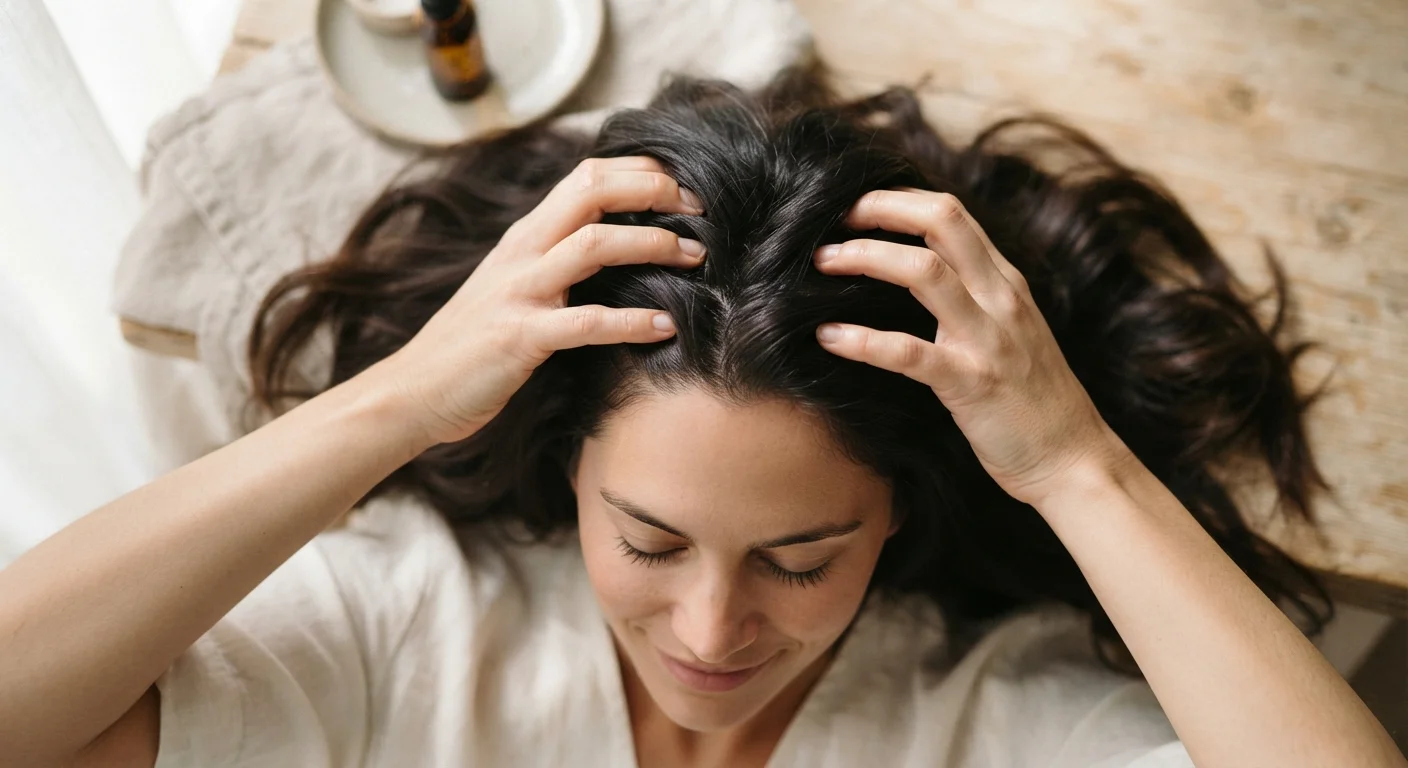
Adding a two-minute scalp massage to your shampooing routine costs nothing and takes almost no extra time. Use the pads of your fingers to apply gentle, circular pressure across the entire scalp from nape to crown. Over time, this may support better circulation around the follicles and simply feels good — which is reason enough to make it a regular habit.
Consistent, low-effort habits prevent most common scalp and hair problems — and they're far easier to maintain than reactive treatments.
When to See a Dermatologist
Over-the-counter approaches and improved daily habits resolve many mild scalp concerns. But some situations genuinely call for professional evaluation:
- Hair loss that is sudden, patchy, or progressively worsening
- Scalp pain, significant inflammation, or open sores
- Symptoms that persist despite several weeks of consistent at-home care
- Severe or spreading seborrheic dermatitis or psoriasis
- Any unusual growth, lesion, or change in the scalp's appearance
A dermatologist can distinguish between conditions that look similar on the surface, recommend prescription treatments when appropriate, and rule out underlying health factors. Supporting your overall physical health is part of the picture too — scalp and hair concerns sometimes reflect broader nutritional or hormonal patterns worth addressing with a qualified professional.
This article is for general informational and educational purposes only and is not a substitute for professional medical or dermatological advice. Always consult a qualified healthcare provider for personal health concerns.
Frequently Asked Questions
Washing frequency varies by hair type, scalp oiliness, and activity level. Many people find every two to three days works well, while others with very oily scalps may need daily cleansing. There is no universal rule — observe how your scalp feels and adjust accordingly.
Not always. Dandruff is most commonly linked to a yeast called Malassezia that naturally lives on the scalp, not simply to dryness. A dry, flaky scalp and dandruff can look similar but often require different treatments, so identifying the root cause matters.
Yes — stress can trigger or worsen conditions like seborrheic dermatitis and may contribute to hair shedding. Managing stress through sleep, movement, and mental health support can indirectly benefit scalp health over time.
Scalp massage increases blood circulation to the follicles and may support a healthier growth environment, though it is not a guaranteed treatment for hair loss. It is a low-risk addition to a regular routine with potential comfort benefits.
Harsh sulfates, fragrances, and certain preservatives can strip the scalp's natural oils or trigger irritation in sensitive individuals. If you notice increased dryness, itching, or flaking after switching products, the formulation may be worth reconsidering.
Consult a dermatologist if you experience significant hair loss, painful or inflamed patches, persistent symptoms that do not respond to over-the-counter approaches, or any sudden changes in your scalp's condition. Self-diagnosis has real limits with scalp health.
The content on this site is for informational purposes only and is not a substitute for professional advice. Always consult a qualified professional for guidance specific to your situation.