

What the Cuticle Has to Do With Everything
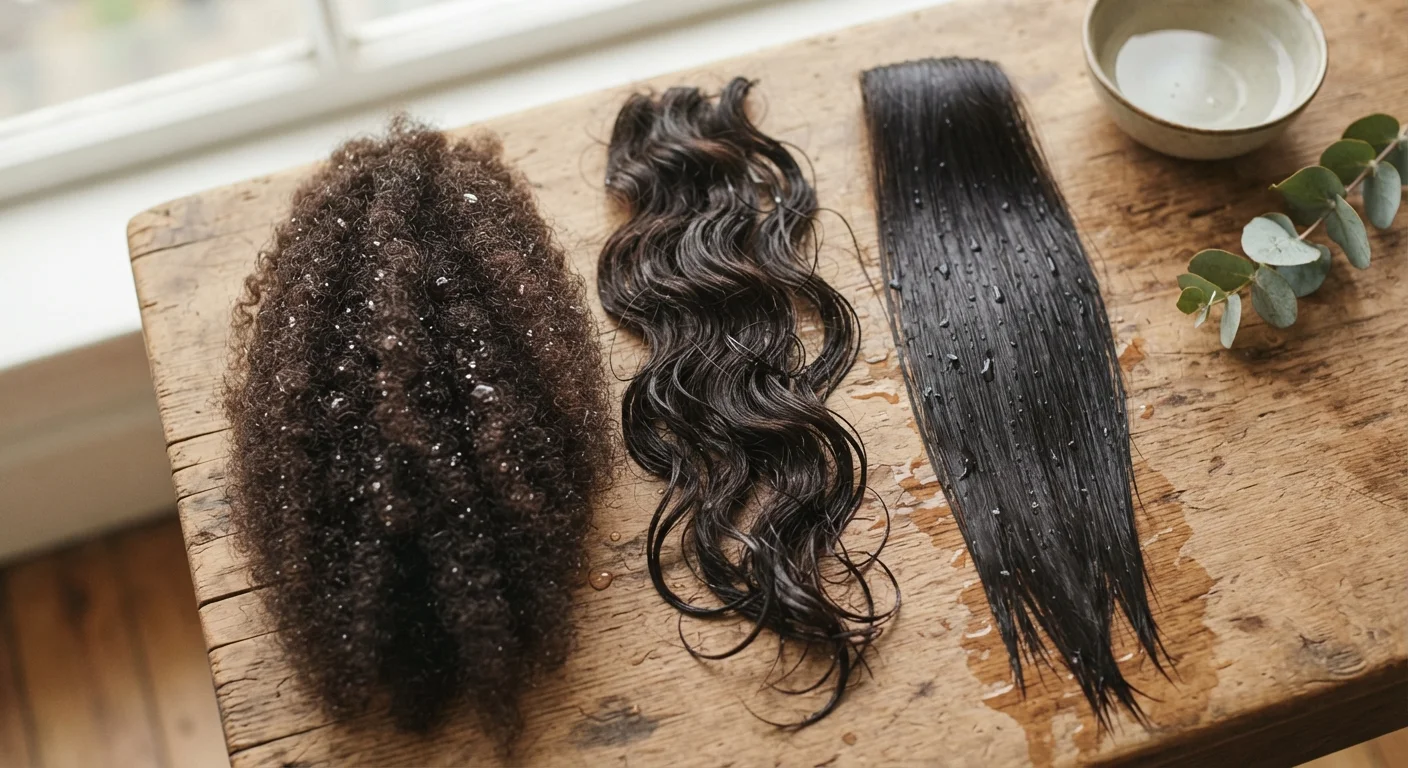
Every strand of hair is wrapped in a protective outer shell called the cuticle, made up of overlapping, scale-like cells. Think of it like roof shingles: when they lie flat and tight, water and products have a hard time getting in — or out. When those shingles are lifted or damaged, moisture moves in and out much more freely.
This is essentially what porosity describes. It's not about how thick your hair is, how curly it is, or how often you wash it. Porosity is specifically about the cuticle's openness — and that single characteristic shapes nearly every product decision you'll make in your routine.
Understanding your own hair's porosity can explain why some products feel heavy and waxy on your strands, why your hair dries out within hours of washing, or why you seem to need constant re-moisturizing. Just as understanding your skin type changes which skincare steps you prioritize, knowing your hair porosity helps you stop guessing and start making choices that actually work.
The Three Porosity Levels — and What They Feel Like
Porosity is generally described in three categories: low, medium (normal), and high. Each comes with its own set of behaviors that become very recognizable once you know what to look for.
3
Recognized hair porosity categories
Hair care professionals and trichologists widely describe porosity as existing on a spectrum with three general zones: low, medium, and high.
~80%
Of hair shaft that is cortex
The cortex — beneath the cuticle — makes up the bulk of each strand, which is why cuticle health so critically determines what reaches it.
Low Porosity
The cuticle is tightly closed, making it difficult for moisture to enter. Products tend to sit on top of the hair rather than absorbing. The upside? Once moisture does get in, low porosity hair holds it well. Signs include water beading on the surface and products feeling heavy or leaving buildup quickly.
Medium (Normal) Porosity
The cuticle is slightly raised and allows moisture to pass in and out at a healthy rate. This is often considered the easiest porosity to manage — most standard moisturizing routines work reasonably well without major adjustments.
High Porosity
The cuticle is very open, allowing moisture to rush in — and rush right back out. High porosity hair absorbs products fast but dries out quickly too. It can result from chemical processing, heat damage, or simply be a natural trait. Hair may feel dry, rough, or prone to tangles and frizz even shortly after conditioning.
How to Adjust Your Routine by Porosity
Once you have a sense of your porosity level, you can make smarter decisions about products and techniques rather than defaulting to trial and error.
Try the Float Test First
Drop a clean, product-free strand of hair into a glass of room-temperature water and watch what happens over two to four minutes. A strand that floats suggests low porosity; one that sinks relatively quickly points to high porosity; one that hovers in the middle suggests medium. It's a rough indicator, not a lab result, but it's a handy place to start.
For low porosity hair: Heat is your friend during conditioning. Applying a deep conditioner under a plastic cap or warm towel encourages the cuticle to lift slightly, allowing ingredients to penetrate. Stick to lighter, water-based formulas and avoid heavy butters that tend to layer on top without absorbing.
For medium porosity hair: A consistent, straightforward routine usually does the job. Focus on maintaining what's working and protecting the cuticle from unnecessary damage — minimizing heat, UV exposure, and harsh chemical treatments.
For high porosity hair: Sealing moisture in is the priority. After applying a water-based moisturizer, follow with a heavier oil or butter to slow evaporation. Ingredients like shea butter or castor oil can help. Protein treatments may also strengthen the cuticle structure over time, though it's worth spacing them out to avoid protein overload. Check out our overview of natural oils in hair care to understand which options may help seal high porosity strands.
If you're not seeing results from your current approach, it may be time for a broader reset. Our piece on signs your hair routine needs a reset walks through common signals that your regimen isn't serving your hair anymore.
This article is for general informational and educational purposes only. For concerns about scalp health or hair loss, consult a qualified dermatologist or trichologist.
Frequently Asked Questions
A common method is the float test: drop a clean, product-free strand of hair into a glass of water. If it sinks quickly, it may be high porosity; if it floats for a while, it's likely low porosity. This test isn't perfectly precise, but it provides a useful starting point.
Yes. Chemical treatments like bleaching, perms, and relaxers can raise porosity significantly. Heat styling, UV exposure, and hard water can also lift the cuticle over time. Conversely, protective care practices may help maintain a healthier cuticle structure.
Not necessarily. High porosity can be a natural trait or the result of damage, and knowing about it just helps you care for your hair more effectively. With the right routine, high porosity hair can be healthy, moisturized, and manageable.
Lighter, water-based moisturizers and humectants like glycerin tend to work better for low porosity hair because they don't sit on the surface as heavily as thick oils or butters. Applying products with heat — such as under a shower cap — can also help open the cuticle slightly for better penetration.
It can. High porosity hair may benefit from more frequent conditioning and gentler cleansing to prevent moisture loss, while low porosity hair may be prone to product buildup and may need a clarifying wash more regularly. See our guide on <a href="/style-beauty/hair-grooming/clarifying-vs-moisturizing-shampoos-when-each-one-does-its-job">clarifying vs. moisturizing shampoos</a> for more detail.
The content on this site is for informational purposes only and is not a substitute for professional advice. Always consult a qualified professional for guidance specific to your situation.