

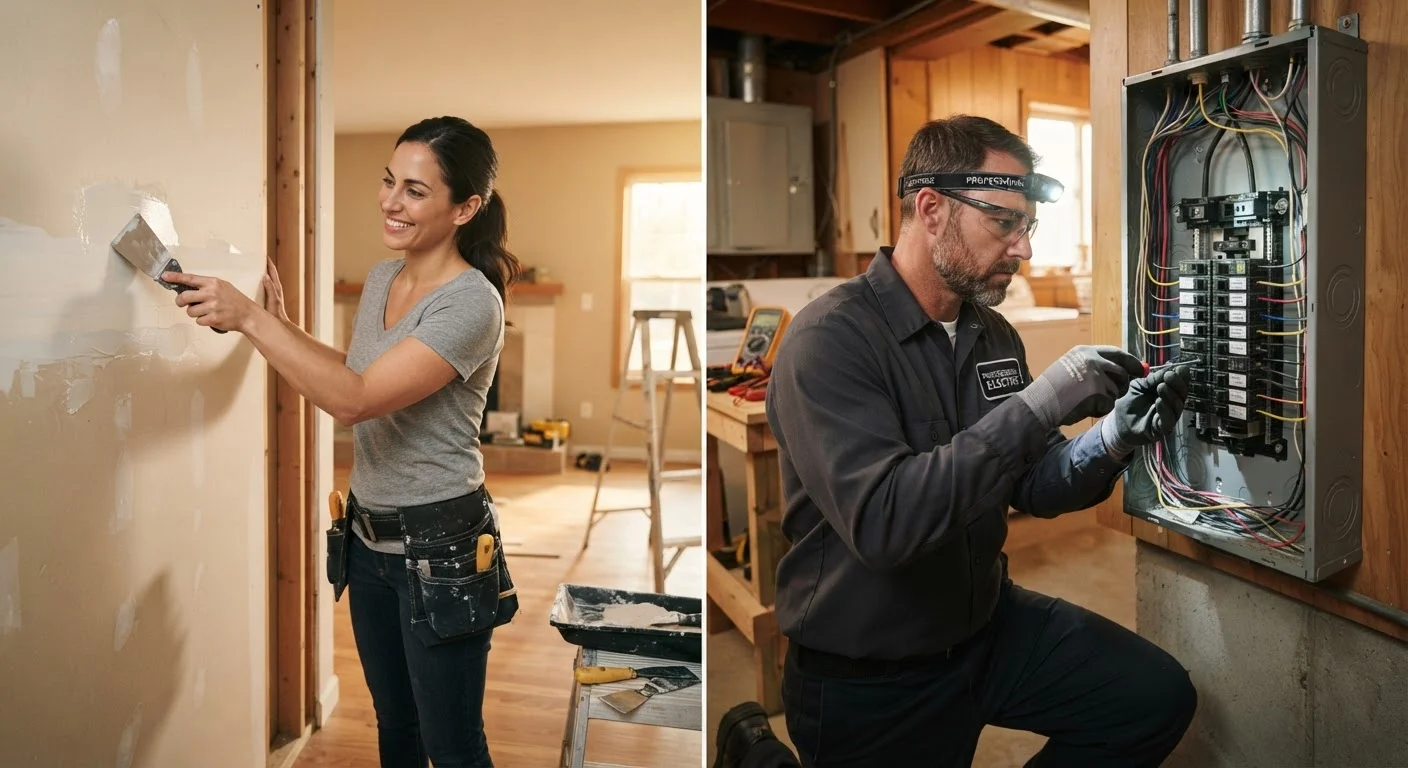
The Real Difference Between DIY and Licensed Work
The enthusiasm for DIY home repair is well-earned — tackling a leaky faucet, refinishing a deck, or patching a wall yourself saves money and builds genuine confidence. But not every repair belongs on a weekend to-do list. The line between what you can legally and safely do yourself versus what requires a licensed contractor isn't about skill alone. It's about code compliance, safety risk, and legal accountability.
Most jurisdictions in the U.S. divide home work into two categories: work that requires a permit (and therefore inspections and licensed trades) and work that doesn't. Cosmetic updates — painting, flooring, cabinet hardware, patching small holes — typically fall in the "no permit needed" column. Structural changes, electrical upgrades, gas line work, and significant plumbing modifications almost always require permits, licensed professionals, or both.
See our guide to home improvement permits for a clear explanation of which projects trigger the permit process and what approval generally involves.
Work That Almost Always Requires a Licensed Pro
Some categories of home repair carry serious consequences if done incorrectly — not just to your property, but to the people in it. These are the areas where DIY ambition should give way to licensed expertise:
- Electrical panel work, new circuits, and wiring upgrades: Faulty wiring is a leading cause of residential fires. In virtually every U.S. jurisdiction, work on your main panel or the addition of new circuits requires a licensed electrician and a permit.
- Gas line installation or repair: Gas leaks can cause explosions and carbon monoxide poisoning. Never attempt to add, extend, or repair gas lines yourself — this is universally regulated work.
- Structural modifications: Removing or altering walls, especially load-bearing walls, requires structural assessment and typically an engineer's sign-off alongside a licensed contractor.
- Major plumbing changes: Replacing a faucet is DIY-friendly. Rerouting supply lines, moving drain stacks, or adding new fixtures to existing systems typically requires a licensed plumber and inspection.
- Roofing in many jurisdictions: Full roof replacement or repair involving structural decking often triggers permit requirements and may require licensed roofing contractors depending on your state or municipality.
Unpermitted Work Has Real Consequences
If you skip required permits, your homeowners insurance may deny claims related to that work, and you may be required to tear out completed work at your own expense before selling the home. Lenders and home inspectors routinely flag unpermitted additions or modifications. Always verify requirements with your local building department before starting any significant project.
If you skip required permits, your homeowners insurance may deny claims related to that work, and you may be required to tear out completed work at your own expense before selling the home. Always verify requirements with your local building department before starting any significant project.
What Homeowners Can Typically Handle Themselves
A wide range of meaningful home improvements fall safely within DIY territory. These tasks generally don't require permits, don't involve regulated systems, and carry manageable risk when approached carefully:
Paint interior and exterior surfaces, including ceilings and trim, without a permit or contractor.
Painting carries no structural or safety risk and requires no inspection. It's one of the highest-impact cosmetic changes a homeowner can make independently.
Patch small to medium drywall holes using mesh patches and joint compound.
Drywall patching involves no regulated systems and no structural risk for holes that don't affect framing. The materials are widely available and the technique is learnable.
Replace faucets, showerheads, and toilet flush mechanisms on existing supply lines.
Swapping fixtures on existing, capped supply lines is considered maintenance rather than new plumbing in most jurisdictions and doesn't require licensed work or permits.
Install or replace light fixtures and outlet covers on existing, properly wired circuits.
Swapping a fixture on a circuit that is already correctly wired and properly fused is generally considered maintenance-level work. Turning off the breaker and confirming the power is off with a non-contact tester is essential.
Caulk around tubs, sinks, windows, and exterior penetrations as seasonal maintenance.
Caulking prevents water intrusion and air leakage — two of the most common drivers of hidden home damage. It requires no license, no permit, and pays dividends in reduced repair costs.
For a practical guide to one of the most common DIY repairs, see our article on patching drywall holes without a contractor.
Quick Actions You Can Take Right Now
Not sure where to start? These immediate steps help you work smarter and stay on the right side of code:
Planning a bigger renovation? Be aware that permit fees, inspections, and licensed-trade costs are among the most commonly overlooked budget items. Also worth busting: the myth that you can always DIY plumbing and electrical.
This article is for general informational purposes only and does not constitute legal, safety, or professional contracting advice. Building codes, permit requirements, and licensing rules vary significantly by state, county, and municipality. Always consult your local building department and qualified licensed professionals before undertaking regulated home improvement work.
The content on this site is for informational purposes only and is not a substitute for professional advice. Always consult a qualified professional for guidance specific to your situation.