

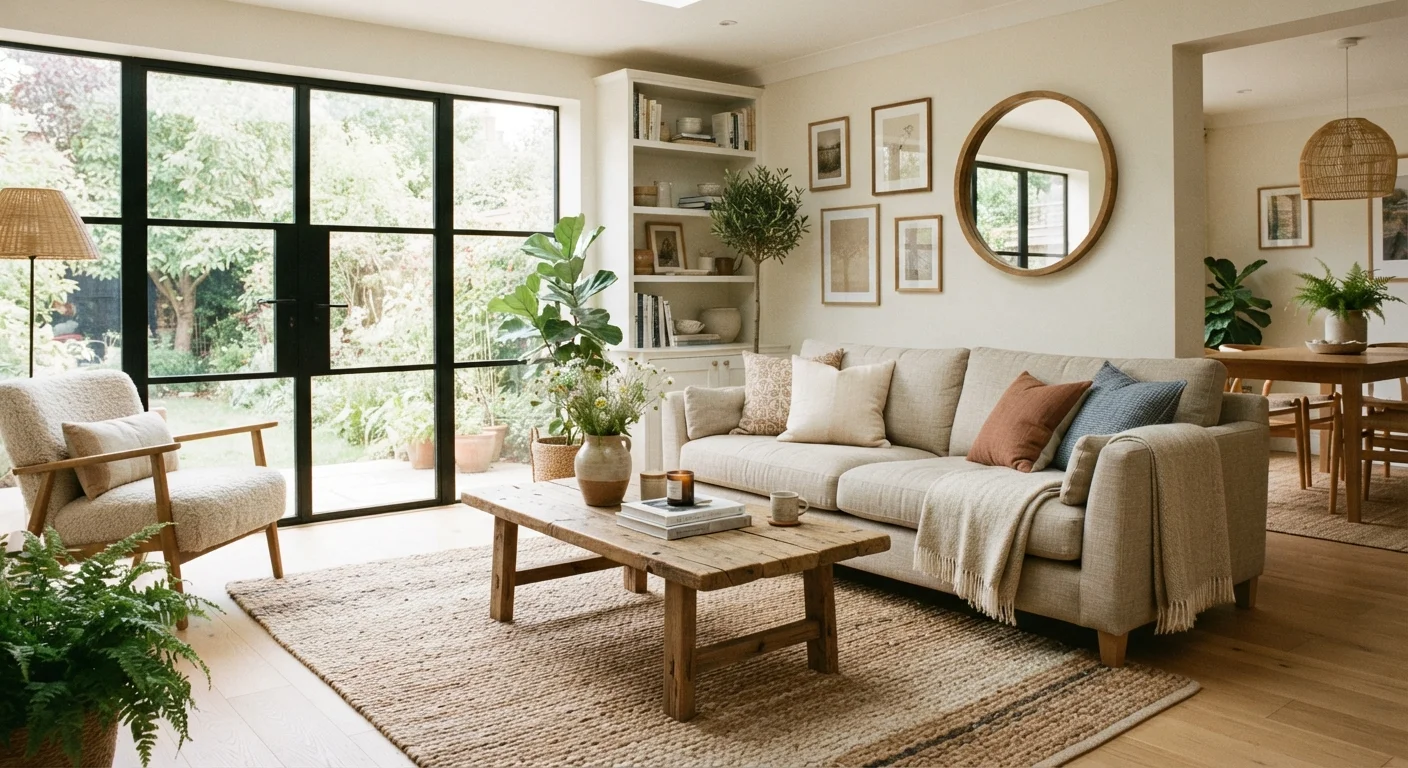
What Design Styles Actually Are
The phrase "interior design style" gets thrown around constantly — in furniture catalogs, home improvement shows, and design blogs — but it's rarely explained from the ground up. At its core, a design style is a cohesive set of recurring visual choices: the shapes of furniture, the materials used, the color palette, how much or how little ornamentation is present, and how space itself is organized. When those choices share a common philosophy, they add up to a recognizable style.
These styles weren't invented arbitrarily. Most emerged from cultural movements, historical periods, or geographic traditions. Mid-century modern, for instance, grew out of post-World War II optimism and a belief in functional, democratic design. Bohemian style reflects a rejection of convention in favor of global textiles and collected objects. Understanding where a style comes from helps you apply it with more confidence rather than copying it superficially.
Style vs. Trend: An Important Distinction
Design trends are short-lived — a color or material that dominates shelter magazines one year may feel dated three years later. A style, by contrast, is an enduring philosophy with consistent visual principles. Understanding this difference helps you invest in pieces that age well rather than chasing what's current. Trends can inform your style choices without defining them.
A Plain-Language Guide to Common Styles
Rather than cataloging every style in existence, it's more useful to understand a handful of the most common ones and what distinguishes them:
- Minimalist: Defined by intentional reduction — fewer objects, neutral tones, and negative space treated as a design element in itself.
- Maximalist: The deliberate opposite — layered patterns, rich colors, and an abundance of objects that reflect personality and collection.
- Transitional: A hybrid of traditional warmth and contemporary simplicity. It's comfortable and familiar without feeling dated.
- Scandinavian: Light wood, muted tones, natural materials, and an emphasis on function without sacrificing warmth.
- Industrial: Exposed structural elements — brick, concrete, metal — borrowed from loft and warehouse aesthetics.
- Bohemian: Layered rugs, global patterns, plants, and handmade objects in warm, earthy tones.
- Farmhouse/Cottagecore: Natural textures, painted wood, and a relaxed, lived-in aesthetic rooted in rural American and European traditions.
Most homes — especially those that have evolved organically over years — land somewhere between two of these categories. That's not a failure of style; it's called eclectic decorating, and when done with intention, it's one of the most personal and compelling approaches possible. Our guide on common decorating myths explores how rigid rules often do more harm than good.
70%
Homeowners who feel their décor lacks cohesion
According to survey data cited by the American Society of Interior Designers, a majority of homeowners report that their spaces feel inconsistent rather than intentionally styled.
2–3
Average number of styles blended in most American homes
Design professionals widely observe that truly single-style interiors are relatively rare; most lived-in homes reflect an organic blend of two to three influences.
How to Identify Your Own Style
The most reliable way to identify your design style isn't taking an online quiz — it's observation. Save images of rooms that make you pause. After gathering twenty or thirty, look for patterns: Are you consistently drawn to dark moody palettes or light airy ones? Do you prefer bare walls or layered artwork? Is the furniture you love low-profile or substantial?
Pay attention to what bothers you in spaces too. Noticing that you feel uneasy in cluttered rooms is just as informative as noticing what you love. Over time, a clear picture of your preferences emerges — and that picture is your style.
Start with a 'Style File'
Create a simple folder — digital or physical — where you save images of rooms that genuinely appeal to you. Aim for at least fifteen to twenty examples before drawing conclusions. Patterns in color, texture, and clutter level will emerge naturally, giving you a far more reliable portrait of your preferences than any quiz.
Once you have a working sense of your style, it becomes much easier to apply it practically — whether you're choosing the right paint finish for a room or selecting furniture that will feel cohesive years from now. If you're working with a compact floor plan, the same principles apply: see our piece on small-space decorating for guidance tailored to tighter rooms.
Why Style Awareness Saves Money and Reduces Frustration
Without a sense of your style, home decorating becomes reactive — you buy what looks good in isolation but doesn't necessarily work with what you already own. The result is a room that feels disjointed, and purchases that get returned or quietly regretted.
Style awareness acts as a filter. When you know you're drawn to a warm, minimal Scandinavian aesthetic, you can immediately rule out heavily ornate pieces that might look attractive on a showroom floor but would fight with everything else in your home. This clarity isn't about being restrictive — it's about being deliberate.
It's worth noting that style and sustainability often intersect here. Buying fewer, more considered pieces that truly fit your space is inherently less wasteful than impulse-buying and replacing items frequently. For a broader look at how intentional choice-making applies beyond the home, our article on style and sustainability covers similar ground in the context of fashion.
Frequently Asked Questions
Transitional style — a blend of traditional and contemporary elements — is widely considered the most common approach in American homes. It appeals to a broad range of tastes because it balances familiar comfort with clean, updated lines. That said, preferences vary significantly by region and household.
Yes, and most designers encourage it. Mixing styles — sometimes called 'eclectic' decorating — works best when you anchor the space with a dominant style and use a second style as an accent. The key is maintaining visual cohesion through consistent color palettes or repeated materials.
Not at all. Many people identify their style simply by collecting images of rooms they love and looking for patterns. Online mood boards, shelter magazines, and home decor platforms can all help you spot recurring preferences without professional help.
Minimalism prioritizes the strict reduction of objects and ornamentation, often with a neutral or monochrome palette. Scandinavian design shares that love of simplicity but adds warmth through natural wood tones, cozy textiles, and a focus on hygge — a sense of comfort and contentment. Scandinavian spaces tend to feel livable and layered where pure minimalism can feel stark.
A home environment that feels coherent and personally meaningful can support a sense of calm and control. Clutter and visual inconsistency are commonly associated with feelings of stress, while intentional, comfortable spaces are linked to relaxation. For more on how your surroundings affect your mood, exploring <a href="/health-wellness/mental-wellness">mental wellness resources</a> may be helpful.
They're related but distinct. Interior design style refers to the aesthetic direction of a space. Interior decorating is the practical act of furnishing and adorning that space. You can decorate without a defined style, but having one makes decorating decisions much more consistent and purposeful.
The content on this site is for informational purposes only and is not a substitute for professional advice. Always consult a qualified professional for guidance specific to your situation.